Mahashivratri 2026: Date, Time, Puja Muhurat, Fasting Rules & Spiritual Significance
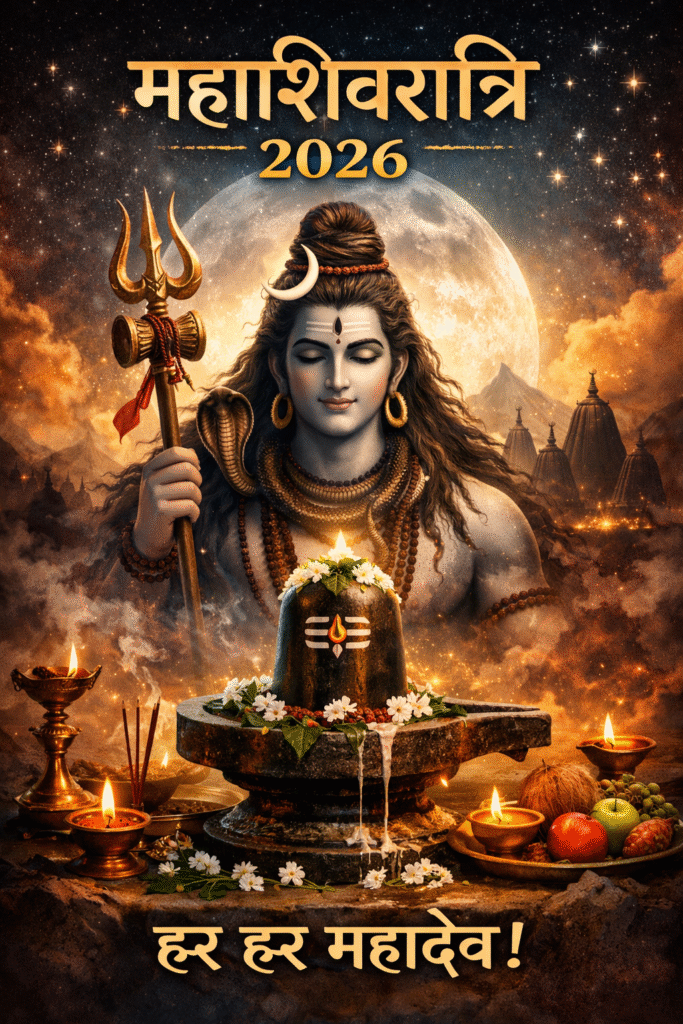
Mahashivratri 2026 is one of the most powerful and spiritually significant Hindu festivals dedicated to Lord Shiva, the destroyer of evil and the transformer within the Trimurti. Observed with intense devotion, fasting, meditation, and night-long worship, Mahashivratri symbolizes the victory of light over darkness and consciousness over ignorance.
This detailed guide covers Mahashivratri 2026 date, puja time, fasting rules, rituals, significance, and FAQs, making it a complete SEO-friendly resource for devotees and readers.
Mahashivratri 2026 Date & Day
Festival Name: Mahashivratri
Date: Sunday, 15 February 2026
Day: Sunday
Hindu Tithi: Phalguna Krishna Chaturdashi
Parana (Fast Breaking): Monday, 16 February 2026
Mahashivratri is celebrated every year on the 14th night of the dark fortnight (Krishna Paksha) of the Phalguna month, as per the Hindu lunar calendar.
Mahashivratri 2026 Puja Time & Nishita Kaal
The most sacred time for Mahashivratri worship is Nishita Kaal, which occurs around midnight.
⏳ Important Timings (Approx.)
Chaturdashi Tithi Begins: Afternoon, 15 February 2026
Nishita Kaal Puja Time:
12:02 AM – 12:56 AM (16 February 2026)Parana Time: After sunrise on 16 February 2026
Timings may vary slightly depending on location. Always refer to your local Panchang.
Spiritual Significance of Mahashivratri
Mahashivratri literally means “The Great Night of Shiva.” This sacred night holds immense importance in Hindu philosophy and yogic traditions.
✨ Why is Mahashivratri Important?
Marks the cosmic dance (Tandava) of Lord Shiva
🕉️ Symbolizes Shiva–Shakti union
A powerful night for meditation and inner awakening
Helps destroy negative karma and ego
Considered the most auspicious night for spiritual growth
Unlike other Hindu festivals, Mahashivratri is observed with silence, fasting, prayer, and self-discipline, rather than celebration.
Mahashivratri 2026 Puja Vidhi (Step-by-Step)
🛕 How to Perform Shiva Puja at Home
Wake up early and take a holy bath
Clean the puja area and place the Shiva Lingam
Offer Gangajal, milk, honey, curd, ghee (Abhishek)
Offer Bilva leaves, white flowers, fruits
Light a diya and incense sticks
Chant “Om Namah Shivaya” or Maha Mrityunjaya Mantra
Perform Nishita Kaal Puja at midnight
Stay awake throughout the night (Jagran)
Mahashivratri Fasting Rules (Vrat Vidhi)
Many devotees observe a strict fast on Mahashivratri to seek Lord Shiva’s blessings.
✔️ Allowed During Fast:
Fruits
Milk, curd
Coconut water
Sabudana
Rock salt (Sendha Namak)
❌ Avoid:
Grains & pulses
Onion & garlic
Alcohol & tobacco
Non-vegetarian food
Devotees break the fast on 16 February 2026, after sunrise.
Powerful Mantras to Chant on Mahashivratri
Om Namah Shivaya
Maha Mrityunjaya Mantra
Rudra Gayatri Mantra
Shiva Panchakshara Stotram
Chanting these mantras during Nishita Kaal is believed to multiply spiritual benefits.
Why Bilva Leaves Are Offered to Lord Shiva?
Bilva leaves are extremely sacred and symbolize:
The three eyes of Lord Shiva
Balance of Satva, Rajas, and Tamas
Purity and devotion
Offering Bilva leaves on Mahashivratri is believed to wash away sins and grant divine grace.
Mahashivratri 2026
Frequently Asked Questions (FAQs)
Q1. When is Mahashivratri in 2026?
👉 Mahashivratri will be observed on Sunday, 15 February 2026.
Q2. What is the best time for Shiva Puja?
👉 Nishita Kaal (midnight) is the most auspicious time.
Q3. Can women observe Mahashivratri fast?
👉 Yes, both married and unmarried women observe this fast for happiness, stability, and blessings.
Q4. Is night vigil compulsory?
👉 Staying awake is recommended but not compulsory. Devotion matters most.
Final Thoughts
Mahashivratri 2026 is not just a festival but a spiritual opportunity to pause, reflect, and reconnect with inner consciousness. Observing this sacred night with devotion, discipline, and faith brings peace, clarity, and divine blessings.
🔱 May Lord Shiva bless you with strength, wisdom, and prosperity.
Har Har Mahadev!