Makar Sankranti 2026: Why Is Khichdi Eaten on This Day? Know the Mythological Story, Significance and Auspicious Timing
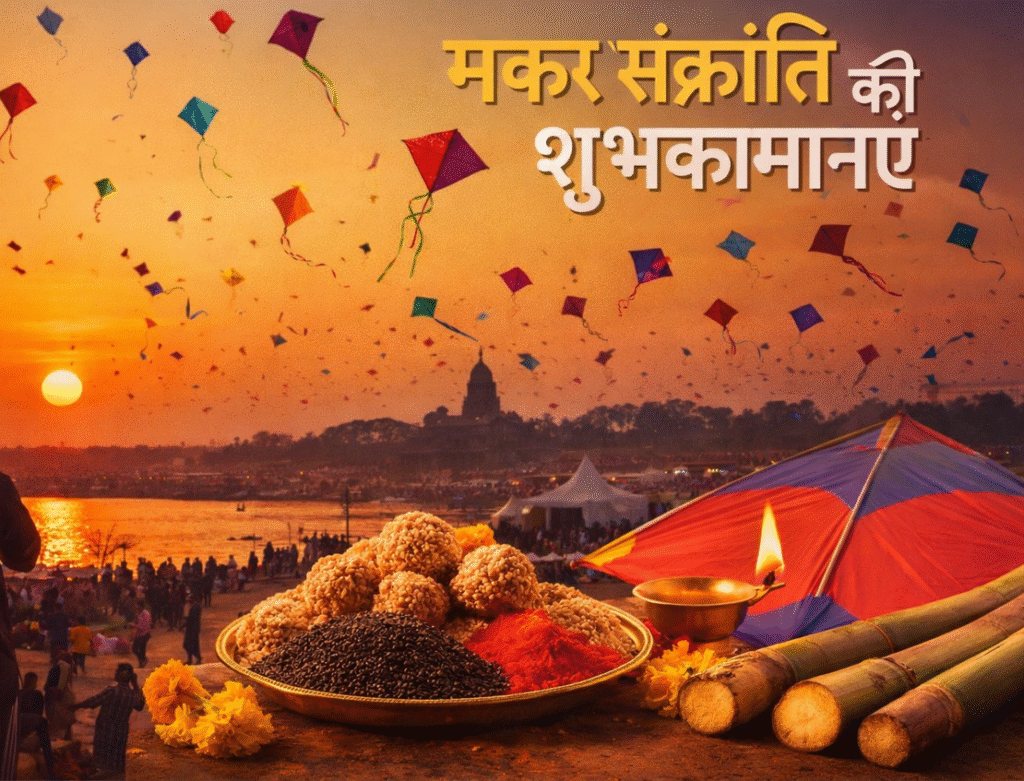
Makar Sankranti is one of the most important Hindu festivals, celebrated every year when the Sun enters Capricorn (Makar Rashi). Unlike most Hindu festivals, it is based on the solar calendar, making it astrologically significant.
In 2026, Makar Sankranti will be celebrated on Wednesday, 14 January.
One of the most unique traditions of this festival is the preparation, consumption, and donation of khichdi. But have you ever wondered why khichdi is eaten specifically on Makar Sankranti? The answer lies in an interesting mythological story and deep religious beliefs.
Makar Sankranti 2026: Date and Auspicious Timing
According to the Hindu Panchang:
Festival Date: 14 January 2026 (Wednesday)
Punya Kaal Begins: 03:13 PM
Maha Punya Kaal: 03:13 PM to 04:58 PM
Scriptures state that any bath, charity, worship, or donation performed during the Maha Punya Kaal brings multiple times more spiritual merit (Akshaya Punya) and prosperity in life.
Why Is Khichdi Eaten on Makar Sankranti? Mythological Story
According to popular belief, during ancient times, India faced several invasions and long battles. Saints, yogis, and warriors often had very little time to prepare meals.
It is believed that Guru Gorakhnath, a great yogi and saint, suggested cooking rice, lentils, and vegetables together to make a simple, nutritious, and quick meal. This dish came to be known as khichdi.
Legend says that Guru Gorakhnath prepared and donated khichdi on the day of Makar Sankranti, which is why the tradition of eating and donating khichdi on this auspicious day began. Even today, the famous Khichdi Mela of Gorakhpur reflects this centuries-old belief.
Religious Significance of Eating Khichdi
From a religious and astrological perspective, Makar Sankranti marks the moment when Lord Sun enters the house of his son, Shani Dev (Saturn).
Rice represents purity and lunar energy
Black lentils (urad dal) are associated with Shani Dev
Their combination in khichdi symbolizes balance between Sun and Saturn, helping to reduce planetary doshas and attract positive energy.
Health Benefits of Khichdi on Makar Sankranti
Makar Sankranti falls during peak winter, and khichdi is considered an ideal seasonal food because it:
Keeps the body warm
Improves digestion
Provides instant energy
Strengthens immunity
Ayurveda also describes khichdi as a complete and sattvic meal, especially beneficial during cold weather.
Importance of Khichdi Donation on Makar Sankranti
Donating khichdi, food grains, sesame seeds, jaggery, clothes, and blankets on Makar Sankranti is considered extremely auspicious.
It is believed that:
Charity done on this day never goes in vain
It brings Akshaya Punya (eternal merit)
It ensures abundance of food and wealth in the household
Donation during Maha Punya Kaal is said to yield the highest spiritual rewards.
How Makar Sankranti Is Celebrated Across India
Makar Sankranti is celebrated in different forms across India:
North India: Makar Sankranti / Khichdi Parv
Gujarat: Uttarayan (Kite Festival)
Tamil Nadu: Pongal
Assam: Magh Bihu
Punjab: Lohri
Though the names and rituals differ, the essence remains the same — gratitude, renewal, and prosperity.
Conclusion
Makar Sankranti 2026 is not just a festival but a perfect blend of mythology, spirituality, science, and tradition. The ritual of eating and donating khichdi reflects simplicity, nourishment, and compassion. Observing this festival during the auspicious timing with devotion is believed to invite happiness, peace, and prosperity into life.